August 4, 2026
Advertorial  ·  Sponsored Content  ·  Paid Partnership
Circulatory Wellness · Coffee Science

Why 40,000+ Health-Conscious Coffee Drinkers Quietly Switched — And What Their Hearts Are Thanking Them For

It started with a single question in a wellness forum: "Is my morning coffee actually hurting my cardiovascular routine?" The answer surprised thousands — and launched a quiet migration away from commercial brands.
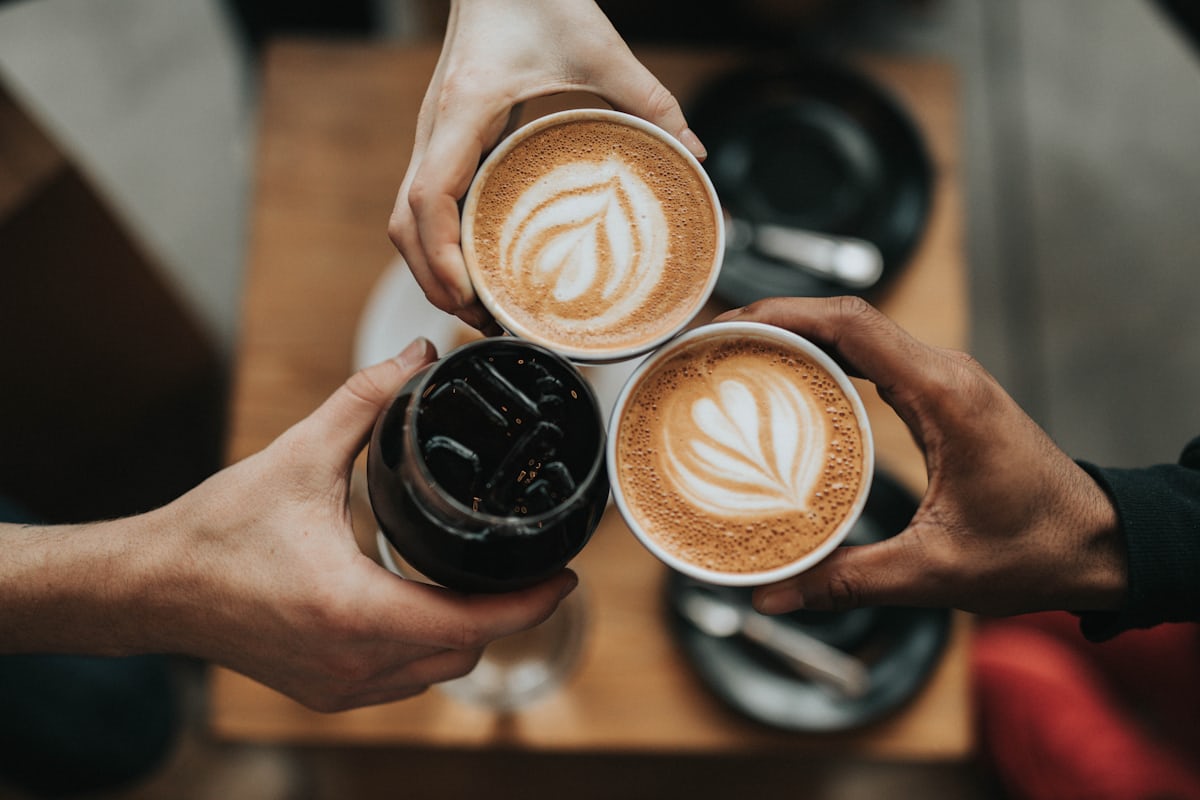
Steaming cup of black coffee on a wooden table in morning light
The morning ritual millions refuse to give up. But what if the problem was never the coffee — and always the way it was processed?

There's a moment familiar to millions of adults over 40: you finish your first cup, and within an hour, something feels slightly off. A mild tension settles in. Your heart feels like it's working a little harder than it should. You chalk it up to age, to stress, to "just how mornings feel now."

But a growing movement of over 40,000 health-conscious coffee drinkers has discovered that the problem was never their body — and never the caffeine itself. The problem was hiding in the supply chain, baked into the beans before they ever reached the bag.
Close-up of fresh coffee cherries ripening on the branch in sunlight
"What if you didn't have to choose between the coffee you love and the circulatory wellness you're working so hard to protect?"

Three hidden factors in your cup that nobody discusses

  1. Natural vascular support, burned away at the roaster

    Coffee beans are naturally loaded with chlorogenic acids — antioxidant compounds that peer-reviewed research has linked to improved postprandial endothelial function and healthier blood vessel responsiveness.[1] The catch? Most commercial roasters crank their temperatures high and fast to maximize throughput and shelf life. The process incinerates up to 70% of those polyphenols before the beans ever leave the facility.

  2. Invisible mycotoxins from poor drying and storage

    Studies published in the Journal of Microbiology, Biotechnology and Food Sciences have found that a meaningful percentage of green coffee beans carry ochratoxin A and aflatoxins — toxic compounds produced by mold during inadequate drying or prolonged storage.[2] These mycotoxins are tasteless and odorless, but the research connects them to oxidative stress, chronic low-grade inflammation, and measurable tax on cardiovascular and renal systems.[3]

  3. A residual chemical burden from conventional farming

    Coffee is one of the most chemically intensive crops on Earth. Conventional farms routinely apply synthetic pesticides, herbicides, and fertilizers — traces of which can persist through processing and end up in your daily cup. Over months and years, this forces your liver and vascular system into a constant cycle of filtering compounds your body was never designed to process at that frequency.
Hands holding freshly picked ripe coffee cherries
From the source. Shade-grown beans develop slower, accumulating richer antioxidant profiles.

The roaster that refused the industry compromise

This is the exact problem a specialty company called Fabula Coffee set out to solve — not by stripping out the caffeine, not by hiding behind supplement additives, but by fundamentally rethinking how the bean travels from high-altitude farms to your morning cup.

Slow-roasted to preserve what nature packed in

Where commercial roasters prioritize speed, Fabula roasts at carefully calibrated, lower temperatures over longer cycles. The result: the chlorogenic acids and polyphenols that support healthy vascular function survive the process instead of being incinerated. You get the full antioxidant profile of the bean — along with layered flavor notes most people have never tasted in a cup of coffee.[1]
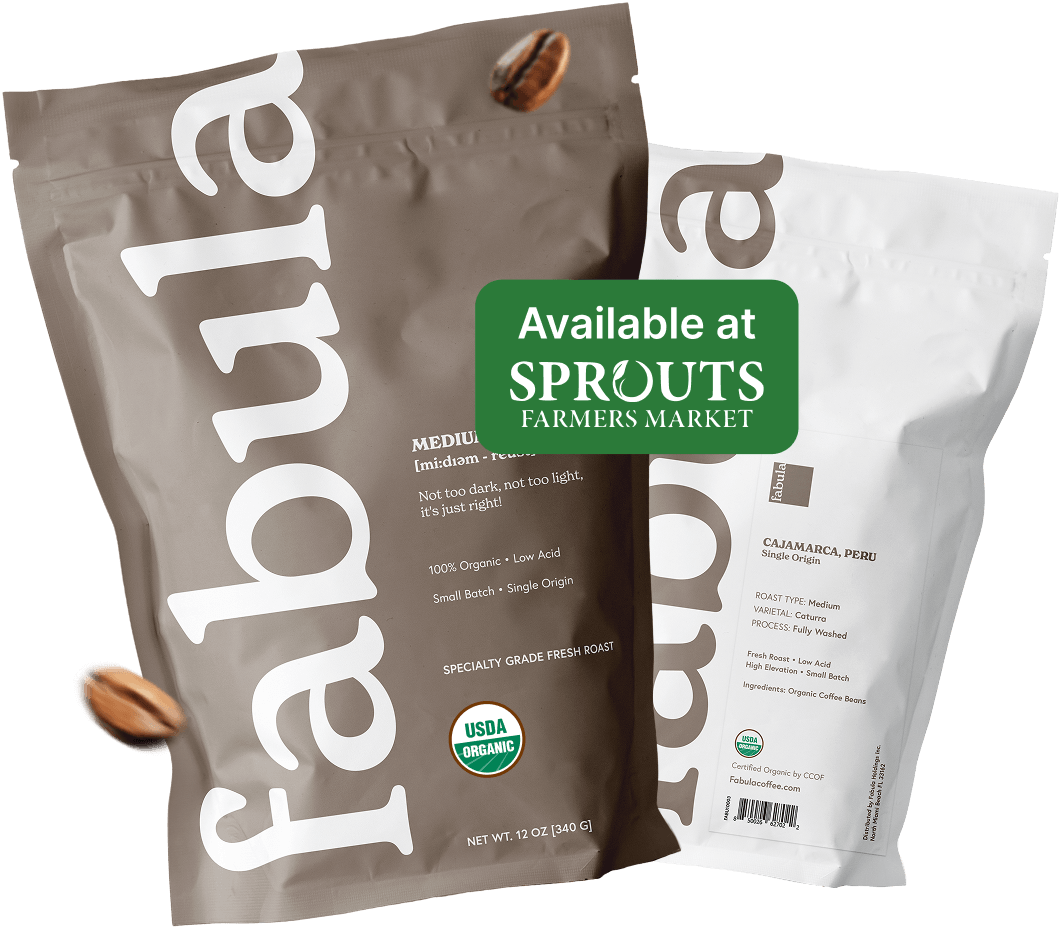
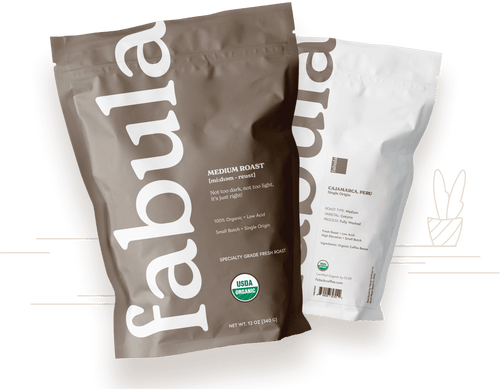
Bags of Fabula organic specialty coffee
Designed from the bean up. Fabula's approach starts with high-altitude, shade-grown beans and ends with a lab-tested bag — nothing in between is left to chance.

Independently lab-tested for 350+ compounds

"Mold-free" and "clean" are marketing words anyone can print on a bag. Fabula backs it up: every single batch is sent to an independent laboratory and screened for over 350 chemical compounds, pesticides, and toxins — including the ochratoxin A and aflatoxins that plague cheaper commercial lots.[4] The lab reports aren't decorative — they're documented.
Bags of Fabula organic specialty coffee
Designed from the bean up. Fabula's approach starts with high-altitude, shade-grown beans and ends with a lab-tested bag — nothing in between is left to chance.
Fabula coffee independently lab-tested for over 350 chemical compounds
Tested, not assumed. Every batch passes through an independent lab screening for 350+ compounds, pesticides, and toxins before reaching your door.

USDA Certified Organic — zero synthetic chemistry

Fabula holds USDA Organic and Non-GMO certifications. No synthetic pesticides. No herbicides. No chemical fertilizers. The coffee plants are nourished with natural methods, the soil is maintained for long-term health, and the farmers who tend the crops work without exposure to the chemical cocktails that define conventional coffee agriculture.
Lush green terraced hillside with organic shade-grown coffee plants
Grown the way nature intended. Shade-grown at over 7,000 feet, where cooler temperatures slow the growth cycle and deepen the bean's natural compound profile.
7,000+
Feet altitude
shade-grown
350+
Chemicals tested
per batch
40,583
Five-star
customer reviews
★★★★★

"I spent two years working with a wellness coach trying to manage my daily tension levels. We adjusted everything — diet, sleep, exercise — but never once questioned my coffee. The week I switched to Fabula, something shifted. My afternoon readings were noticeably calmer. My coach was genuinely surprised."

Samantha S. · Verified buyer

The details most roasters skip — and serious coffee drinkers notice

Shade-Grown at High Altitude

Cooler air and slower growth cycles mean beans develop denser cell structures and richer concentrations of natural polyphenols. Fabula sources exclusively from farms above 7,000 feet.

Single-Origin, Never Blended

Mass-market brands mix beans from dozens of sources to mask staleness and inconsistency. Fabula uses single-origin lots — you taste the terroir, not a calculated average.

Roasted Days Before Shipping

Supermarket coffee is often roasted months before it reaches the shelf. Fabula roasts in small batches and ships within days of roasting — arriving at peak freshness.

It's the difference between coffee that's manufactured and coffee that's crafted.

Slow pour-over coffee brewing with fresh hot water
A ritual worth protecting. The slow-pour method extracts the best from a bean that was already handled with care from farm to roast.
★★★★★

"Possibly the smoothest coffee I've ever had. No jittery feeling, no sense that my system is in overdrive. I didn't realize how much I'd been tolerating until I experienced a cup that was genuinely clean. I look forward to mornings again."

Thomas M. · Verified buyer

"Sounds too good…" — the honest questions worth asking

If you're the healthy-skeptical type, good — so are we. Here are the objections we'd want answered before switching.

Won't a "healthier" coffee taste weak or watered-down?
A reasonable fear — because many health-positioned coffees do taste flat. Fabula's slow-roast, high-altitude, single-origin approach actually preserves more of the bean's natural flavor complexity. Reviewers consistently describe it as smooth, rich, and full-bodied — not bitter, not thin.
Is this a subscription trap?
No. This page offers a one-time purchase for first-time customers — no auto-billing, no hidden enrollment, no cancellation hassle. A subscription is available only if you actively choose it later.
What if I don't notice a difference?
Every order comes with a 30-day money-back guarantee — even on opened bags. If you're not satisfied with the taste, the feel, or the overall experience, you get a full refund. No questions, no fine print.
Is "mold-free" actually verified, or just marketing?
Independent lab testing screens every batch for 350+ compounds including ochratoxin A and aflatoxins. Add USDA Organic certification and Non-GMO verification, and you have documentation — not decoration.

When a company absorbs the cost of every unhappy customer and submits its coffee to a 350-chemical independent screen, that's a company betting on its product — not on your forgetfulness.

Dramatic mountain landscape at high altitude with morning mist in tropical growing region
Where it begins. Fabula's beans are cultivated at elevations above 7,000 feet in Central and South America, where volcanic soil and cool mountain air produce exceptional quality.
Limited Offer · First-Time Customers Only
Fabula coffee bag

Try Fabula at 50% Off + Free Shipping

Just $0.40 per cup · Certified Organic · Mold-Free · Antioxidant-Rich

Pick your type and roast, choose your quantity — the 6-Pack unlocks the deepest savings (up to $90 off). Every order ships free and freshly roasted.

Step 1
Whole bean or ground
Step 2
Light · Medium · Dark · Decaf
Step 3
Choose your quantity
Claim 50% Off Now →
Protected by a 30-day money-back guarantee

Frequently asked questions

Is there really a money-back guarantee?
Yes. If you're not happy for any reason, return it within 30 days of purchase for a full refund. Reach the team at 1-844-432-2852.
Is this a subscription?
No — this page is a one-time purchase for first-time customers. There's no auto-billing.
How long does a bag last?
Each 12 oz bag makes roughly 25–35 cups. A 3-pack lasts 1–2 drinkers about 3–4 weeks; a 6-pack covers a household of 2–4 for 4–5 weeks.
Is it really organic and tested?
Yes — USDA Certified Organic, Non-GMO, roasted and packed in a USDA-certified U.S. facility, and independently lab-tested for 350+ chemicals, pesticides and toxins.
How does Fabula compare to my current coffee in taste?
Most first-time reviewers describe it as noticeably smoother, richer, and less bitter than what they were drinking before — without tasting "light" or weak. The high-altitude, single-origin, freshly-roasted approach produces a complexity that commercial blends can't match.
Try Fabula Today — 50% Off →
Over 40,583 five-star reviews · 4.7/5 rating
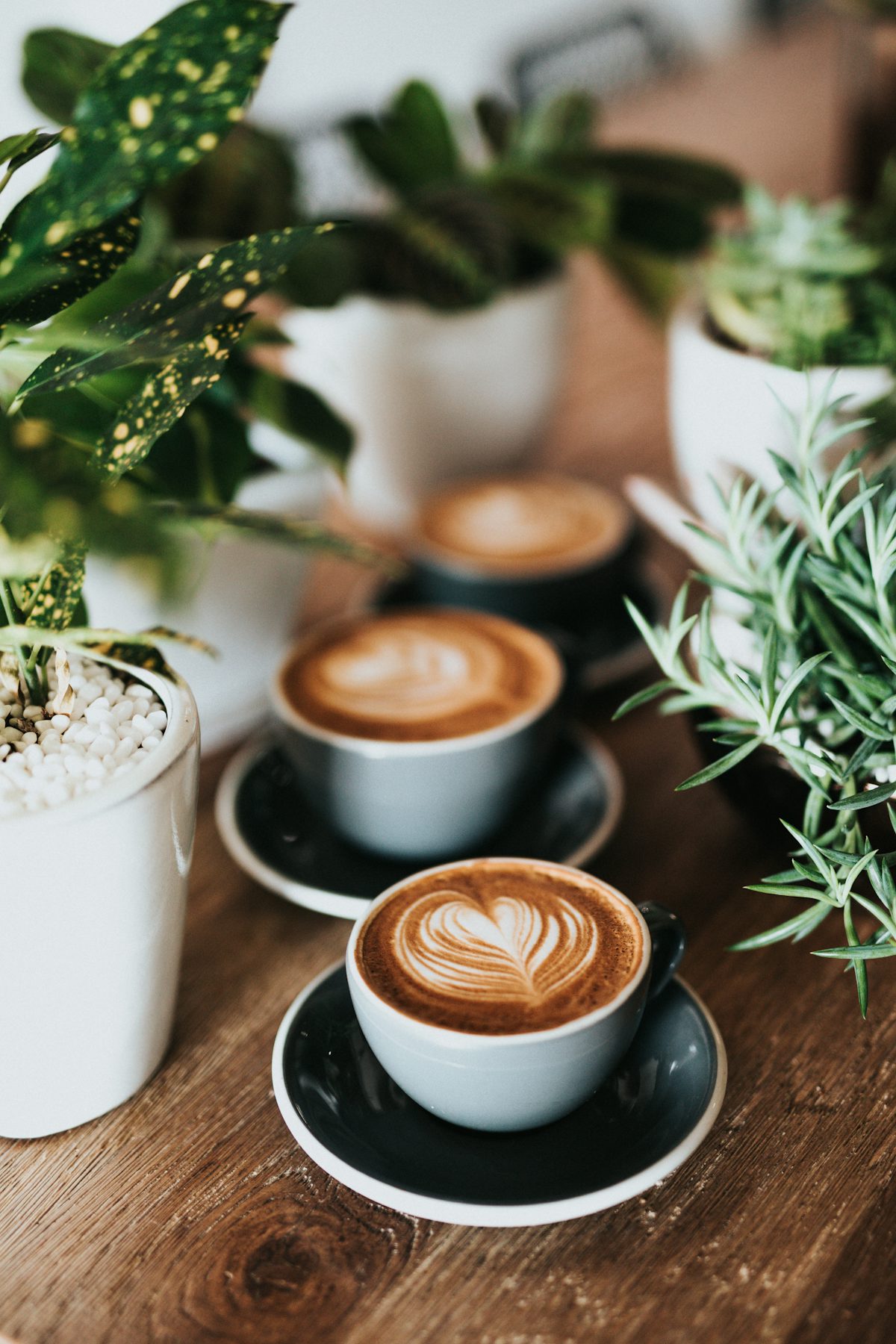
Latte art in a ceramic cup on a clean marble surface, soft natural light
Morning, reimagined. Over 40,000 people have already made the switch — and the reviews speak for themselves.

Scientific references

  1. Ochiai, R., et al. "Coffee with a high content of chlorogenic acids and low content of hydroxyhydroquinone improves postprandial endothelial function in men." European Journal of Clinical Nutrition, 2004; 58, 41–46. Nature.com.
  2. Barboráková, Z., et al. "Ochratoxin A and Aflatoxins Quantification in Green Coffee Beans: Mycological and Analytical Study." Journal of Microbiology, Biotechnology and Food Sciences, 2025;14(6):e12406. office2.jmbfs.org.
  3. Studer-Rohr, I., Dietrich, D.R., Schlatter, J., Schlatter, C. "The occurrence of ochratoxin A in coffee." Food and Chemical Toxicology, 1995. ScienceDirect. Ochratoxin A is regulated in roasted, ground and instant coffee under EU Regulation 2022/1370; see also: "Comprehensive Analysis of Mycotoxins in Green Coffee Food Supplements," PMC.
  4. Regulatory context on permissible ochratoxin A limits in coffee products: Commission Regulation (EU) 2022/1370, referenced in "Comprehensive Analysis of Mycotoxins in Green Coffee Food Supplements: Method Development, Occurrence, and Health Risk Assessment," PMC.

These references describe general scientific findings on chlorogenic acids, vascular function, and mycotoxin contamination in coffee as a crop category. They support the background health context in this article and are not independent verification of Fabula's specific product testing or lab results, which are claims made by the manufacturer.

Advertising disclosure: This article is an advertorial — sponsored, paid content produced on behalf of the advertiser. It is written in an editorial style and is not an independent news report by a staff journalist. "The Wellness Post" and "Elena Marsh" are presentational elements of this advertisement.

Health Disclaimer: This product is not intended to diagnose, treat, cure, or prevent any disease, including cardiovascular disease. Individual results and tolerance to caffeine may vary based on personal health conditions. Testimonials reflect individual experiences and are not a guarantee of typical results; individuals featured may have received compensation. Statements about the product describe the manufacturer's sourcing and testing practices. This content is for general informational purposes only and is not medical advice — consult a healthcare professional about your individual needs before making changes to your wellness routine.

Terms of Service Privacy Policy © 2026 The Wellness Post · Advertorial

Backed by published research

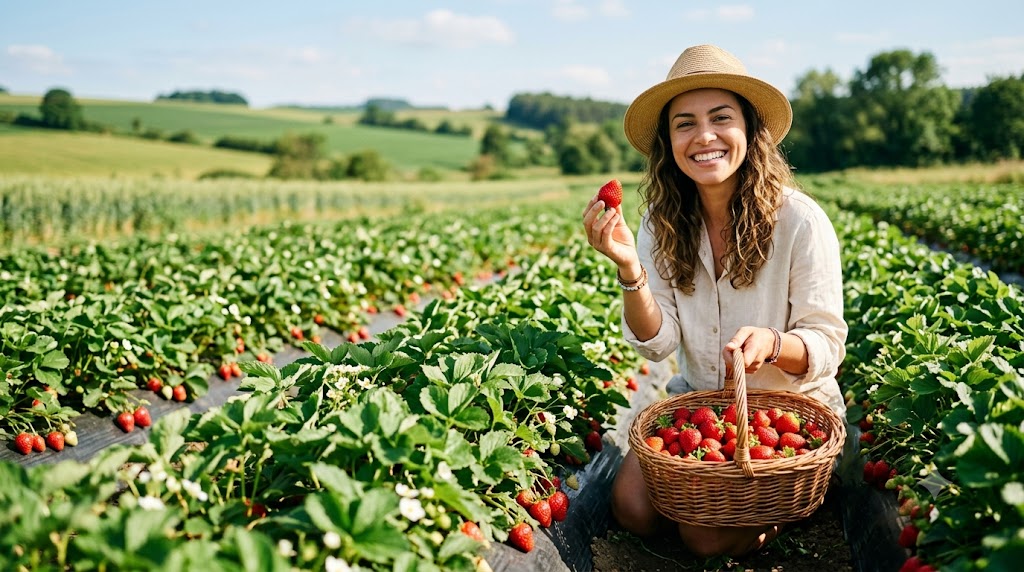
Everyday Foods Studied for Healthy Blood Pressure

What you pour is one half of the picture — what reaches your plate is the other. These seven everyday foods have been examined in peer-reviewed human studies for their effect on blood pressure.

🥬

Beetroot

Rich in dietary nitrate, converted in the body to nitrite and then nitric oxide — the molecule that relaxes and widens blood vessels. In a randomized trial, a single dose lowered systolic pressure for up to 24 hours.

Refs. 1 & 2
🍇

Grape

Grapes carry polyphenols such as resveratrol and flavan-3-ols, linked to endothelial function. A polyphenol-rich grape extract lowered 24-hour ambulatory blood pressure in mildly hypertensive adults.

Ref. 3
🍓

Strawberry

A leading source of anthocyanins. In a cohort of over 150,000 adults followed for 14 years, habitual anthocyanin intake was associated with a lower risk of developing hypertension.

Ref. 4
🫐

Blackberry

Among the densest dietary sources of anthocyanins. In women, higher habitual anthocyanin intake tracked with lower arterial stiffness and lower central blood pressure; pooled berry trials show a measurable fall in systolic pressure.

Refs. 7 & 8
🍅

Tomato

The main dietary source of lycopene. Pooled intervention trials found that lycopene supplementation above roughly 12 mg per day lowered systolic blood pressure, with the effect concentrated in people who started out hypertensive.

Ref. 9
🥚

Egg

Egg white proteins release peptides — ovokinin among them — that act on the same ACE pathway targeted by common blood pressure medication, an effect documented across animal and human work.

Ref. 5
🍯

Honey

Raw honey supplies phenolic acids and flavonoids with measurable antioxidant activity, studied for their role in oxidative stress — one of the mechanisms behind vascular stiffness.

Ref. 6

Everyday Foods Studied as Drivers of High Blood Pressure

The other half of the research runs in the opposite direction. These two are the most studied dietary drivers of rising blood pressure — and most people eat both before noon.

🧂

Salt

The single most studied dietary driver of blood pressure. A Cochrane review of long-term randomized trials found that modest salt reduction lowered blood pressure in both hypertensive and normotensive adults, and the DASH-Sodium trial showed the fall deepens as sodium drops — at every level of the diet.

Refs. 10 & 11
🍞

Bread

Rarely salty on the tongue, yet bread and rolls rank as the number one contributor of sodium to the everyday diet in the United States and the United Kingdom — ahead of processed meat and snacks — because of how much of it is eaten, not how salty each slice is.

Refs. 12 & 13

Scientific references

  1. Webb AJ, et al. Acute blood pressure lowering, vasoprotective, and antiplatelet properties of dietary nitrate via bioconversion to nitrite. Hypertension. 2008;51(3):784–790. doi:10.1161/HYPERTENSIONAHA.107.103523
  2. Kapil V, et al. Dietary nitrate provides sustained blood pressure lowering in hypertensive patients: a randomized, phase 2, double-blind, placebo-controlled study. Hypertension. 2015;65(2):320–327. doi:10.1161/HYPERTENSIONAHA.114.04675
  3. Draijer R, et al. Consumption of a polyphenol-rich grape-wine extract lowers ambulatory blood pressure in mildly hypertensive subjects. Nutrients. 2015;7(5):3138–3153. doi:10.3390/nu7053138
  4. Cassidy A, et al. Habitual intake of flavonoid subclasses and incident hypertension in adults. Am J Clin Nutr. 2011;93(2):338–347. doi:10.3945/ajcn.110.006783
  5. Miguel M, Aleixandre A. Antihypertensive peptides derived from egg proteins. J Nutr. 2006;136(6):1457–1460. doi:10.1093/jn/136.6.1457
  6. Erejuwa OO, Sulaiman SA, Wahab MS. Honey: a novel antioxidant. Molecules. 2012;17(4):4400–4423. doi:10.3390/molecules17044400
  7. Jennings A, et al. Higher anthocyanin intake is associated with lower arterial stiffness and central blood pressure in women. Am J Clin Nutr. 2012;96(4):781–788. doi:10.3945/ajcn.112.042036
  8. Huang H, et al. Effects of berries consumption on cardiovascular risk factors: a meta-analysis with trial sequential analysis of randomized controlled trials. Sci Rep. 2016;6:23625. doi:10.1038/srep23625
  9. Ried K, Fakler P. Protective effect of lycopene on serum cholesterol and blood pressure: meta-analyses of intervention trials. Maturitas. 2011;68(4):299–310. doi:10.1016/j.maturitas.2010.11.018
  10. He FJ, Li J, MacGregor GA. Effect of longer term modest salt reduction on blood pressure: Cochrane systematic review and meta-analysis of randomised trials. BMJ. 2013;346:f1325. doi:10.1136/bmj.f1325
  11. Sacks FM, et al. Effects on blood pressure of reduced dietary sodium and the Dietary Approaches to Stop Hypertension (DASH) diet. N Engl J Med. 2001;344(1):3–10. doi:10.1056/NEJM200101043440101
  12. Bhat S, et al. A systematic review of the sources of dietary salt around the world. Adv Nutr. 2020;11(3):677–686. doi:10.1093/advances/nmz134
  13. Anderson CAM, et al. Dietary sources of sodium in China, Japan, the United Kingdom, and the United States, women and men aged 40 to 59 years. J Am Diet Assoc. 2010;110(5):736–745. doi:10.1016/j.jada.2010.02.007
FDA disclaimer These statements have not been evaluated by the Food and Drug Administration. This product is not intended to diagnose, treat, cure, or prevent any disease. The information on this page is provided for educational purposes only and is not a substitute for advice, diagnosis, or treatment from a qualified healthcare professional. Always speak with your physician before making changes to your diet, exercise, or medication — and never stop or adjust prescribed blood pressure medication on your own. Individual results vary. The foods referenced above are discussed on the basis of published research and are not claimed to treat or cure hypertension or any other condition.

Terms & Conditions

By accessing this page and placing an order you agree to these terms. All content — text, images, video and layout — is provided for general information about the product and may be updated at any time without notice.

Prices, availability and delivery estimates are shown in good faith and may change before an order is confirmed. Placing an order constitutes an offer to purchase; the order is accepted once confirmation is issued.

Nothing on this page constitutes medical advice or a guarantee of any specific health outcome. Product testimonials reflect individual experience and are not typical results.

These terms are governed by the laws applicable at the seller's place of business. If any provision is found unenforceable, the remaining provisions stay in force.

Privacy Policy

We collect only the data needed to process an order and to operate this page: name, delivery address, e-mail, and the technical information your browser sends automatically (IP address, device type, pages viewed).

Payment details are handled by the payment processor and are never stored on our side.

We do not sell personal data. Information is shared only with the providers required to fulfil an order — payment, shipping and customer support — and only to the extent necessary.

You may request access to, correction of, or deletion of your personal data at any time through our support channel. Cookies are used to keep the cart working and to measure page performance; you can block them in your browser settings.

Medical Disclaimer

This page is educational and does not replace professional medical care. A home blood pressure monitor is a measuring device — it does not diagnose or treat any condition.

These statements have not been evaluated by the Food and Drug Administration. This product is not intended to diagnose, treat, cure, or prevent any disease.

If your readings are persistently high or low, or if you feel unwell, contact a healthcare professional. In an emergency, seek immediate medical attention.

Never start, stop or change prescribed medication based on a home reading or on anything you read here. The foods discussed on this page are presented on the basis of published research and are not a treatment for hypertension.

Shipping & Returns

Orders are dispatched from the nearest fulfilment centre. Estimated delivery times are shown at checkout and start counting from dispatch, not from the moment the order is placed.

A tracking link is sent by e-mail as soon as the parcel leaves the warehouse.

Returns are accepted within the guarantee window stated on this page, for items in resalable condition with all accessories included. To start a return, contact support with the order number.

Refunds are issued to the original payment method once the returned item is received and inspected.